onlyCROATIA Facebook onlyCROATIA Youtube onlyCROATIA Instagram
BELGIUM: Tel: ++32/(0)474 118 946 | E-mail: sales@onlycroatia.com
CROATIA: Tel: +387 63 925-736   | E-mail: info@onlycroatia.com
Jajce

Jajce

Bosnia and Herzegovina

Position

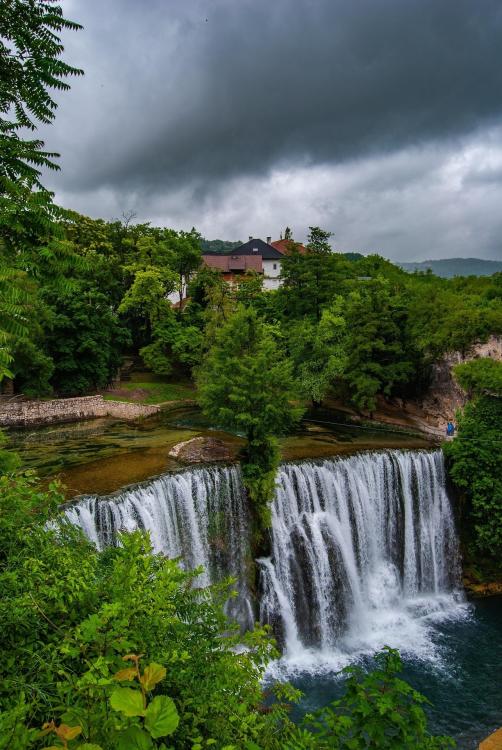
Jajce is located in central Bosnia and Herzegovina, in the mountainous region of Bosanska Krajina. The town lies at the confluence of the Pliva and Vrbas rivers, surrounded by forested hills and dramatic karst landscapes. Positioned roughly between the cities of Banja Luka and Sarajevo, Jajce has long served as an important crossroads connecting northern, central, and western parts of the country. The town is especially known for its striking waterfall in the center, where the Pliva River flows into the Vrbas River.

History

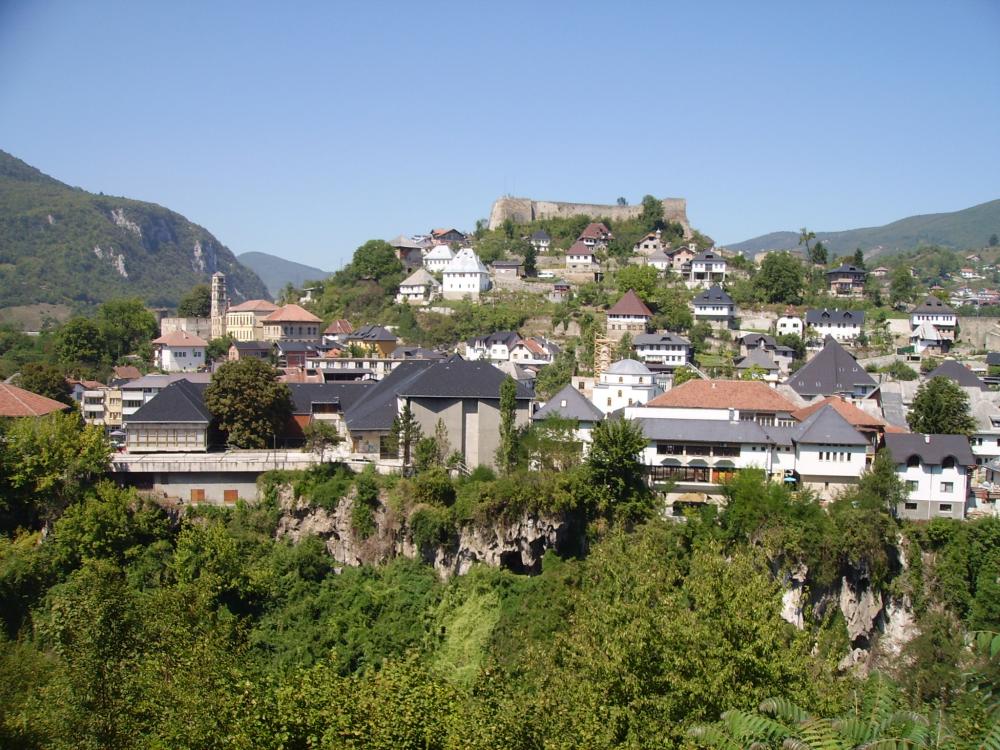
Jajce is one of the most historically significant towns in Bosnia and Herzegovina, located in the central part of the country where the Pliva and Vrbas rivers meet. Its origins date back to the medieval Bosnian Kingdom, and the town became especially important in the fourteenth and fifteenth centuries as a fortified royal center. Massive stone walls, towers, and the nearby fortress helped protect the settlement, while Bosnian kings used Jajce as both a political and military stronghold. The last Bosnian king, Stjepan Tomašević, was closely associated with the town before the Ottoman conquest of Bosnia in 1463.

After fierce fighting between the Ottoman Empire and the Kingdom of Hungary, Jajce spent decades as a contested frontier fortress. The Ottomans eventually secured permanent control in the early sixteenth century, and the town developed under Ottoman administration with mosques, bridges, mills, and traditional Balkan architecture shaping its urban character.

In 1878, Bosnia came under the administration of Austria-Hungary, bringing modernization, new roads, schools, and administrative reforms. During the twentieth century, Jajce gained special historical importance during World War II. In 1943, the Second Session of the Anti-Fascist Council for the National Liberation of Yugoslavia was held there, where the foundations of socialist Yugoslavia were established under Josip Broz Tito. Because of this event, Jajce became known throughout former Yugoslavia as a symbolic “birthplace” of postwar Yugoslavia.

The town was heavily affected during the Bosnian War of the 1990s, suffering damage, displacement, and economic decline. After the war, reconstruction efforts restored many historic landmarks, including parts of the medieval fortress and old town. Today, Jajce is known for its unique combination of medieval heritage, Ottoman and Austro-Hungarian influences, and natural landmarks such as the famous Pliva Waterfall at the center of town.


Indulgence and fun

Jajce offers traditional Bosnian cuisine shaped by Ottoman and Central European influences, with local restaurants serving dishes such as ćevapi, burek, grilled meats, freshwater trout, and homemade pastries.

Entertainment in Jajce is closely connected to the town’s natural beauty, historic setting, and relaxed community life. During the warmer months, people gather around the Pliva Lakes, the Vrbas River, and the waterfall area for cafés, live music, festivals, and outdoor recreation. Cultural events, folklore performances, and summer concerts bring energy to the historic center, while cafés and riverside bars provide a calm evening atmosphere for socializing. Tourism also plays a major role in local entertainment, with visitors exploring medieval landmarks, enjoying boat rides, hiking, swimming, and taking part in nature-based activities that make Jajce both lively and peaceful at the same time.

Sports and recreation

Sports and recreation in Jajce are closely connected to the town’s dramatic natural surroundings of rivers, lakes, forests, and waterfalls. Outdoor activities are especially popular, with nearby Pliva Lakes offering opportunities for kayaking, canoeing, fishing, swimming, and relaxing along the waterfront during the warmer months. The Vrbas and Pliva rivers also attract rafting enthusiasts and nature lovers who explore the surrounding hills through hiking and cycling routes. Soccer remains the most followed local sport, supported by community clubs and youth programs, while basketball, handball, and recreational fitness activities are also common among residents. The area’s natural beauty additionally supports camping, picnicking, eco-tourism, and winter recreation in the nearby mountainous regions, making Jajce an appealing destination for both active tourism and everyday outdoor life.